
Clear All Doubts: Understand Before Undergoing Endotine BLS Surgery Center
Q: What’s the difference between Endo-Brow Lift and Endo-Face Lift?
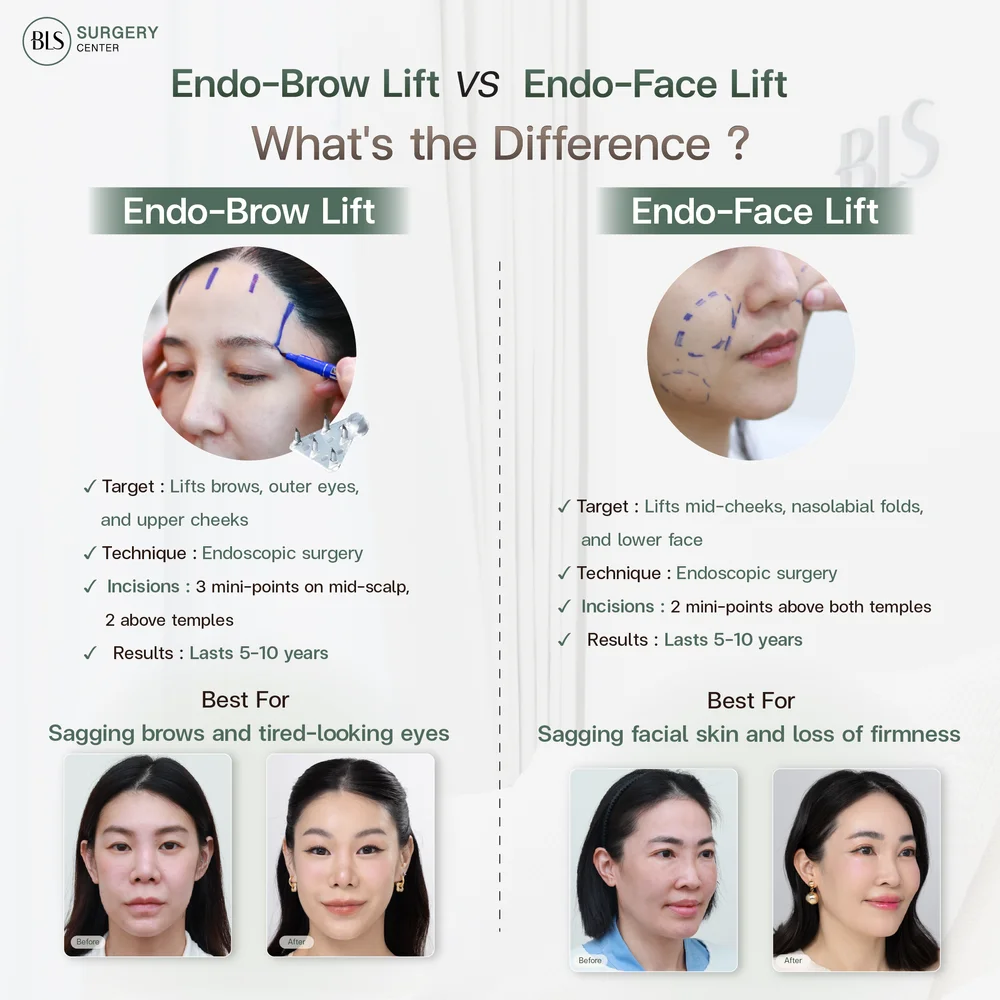
A: Both Endo-Brow Lift and Endo-Face Lift are endoscopic procedures that use Endotine—a medical-grade device that anchors soft tissue at the SMAS layer to achieve skin tightening. The incisions are hidden within the hairline using the Invisible Lock technique, developed by Dr.Earth Endotine exclusively for BLS Surgery Center patients. This results in no visible facial scars and long-lasting results of 5–10 years. However, the techniques differ:
- Endo-Face Lift lifts the mid to lower face, including the lower cheeks, using Endotine. It involves two small incisions above the temples.
- Endo-Brow Lift lifts the upper face, including brows, outer eye corners, and upper cheeks, using Endotine Forehead. It involves three small incisions at the center of the scalp and two above the temples.
Q: How is Endo-Face Lift different from a traditional Facelift?
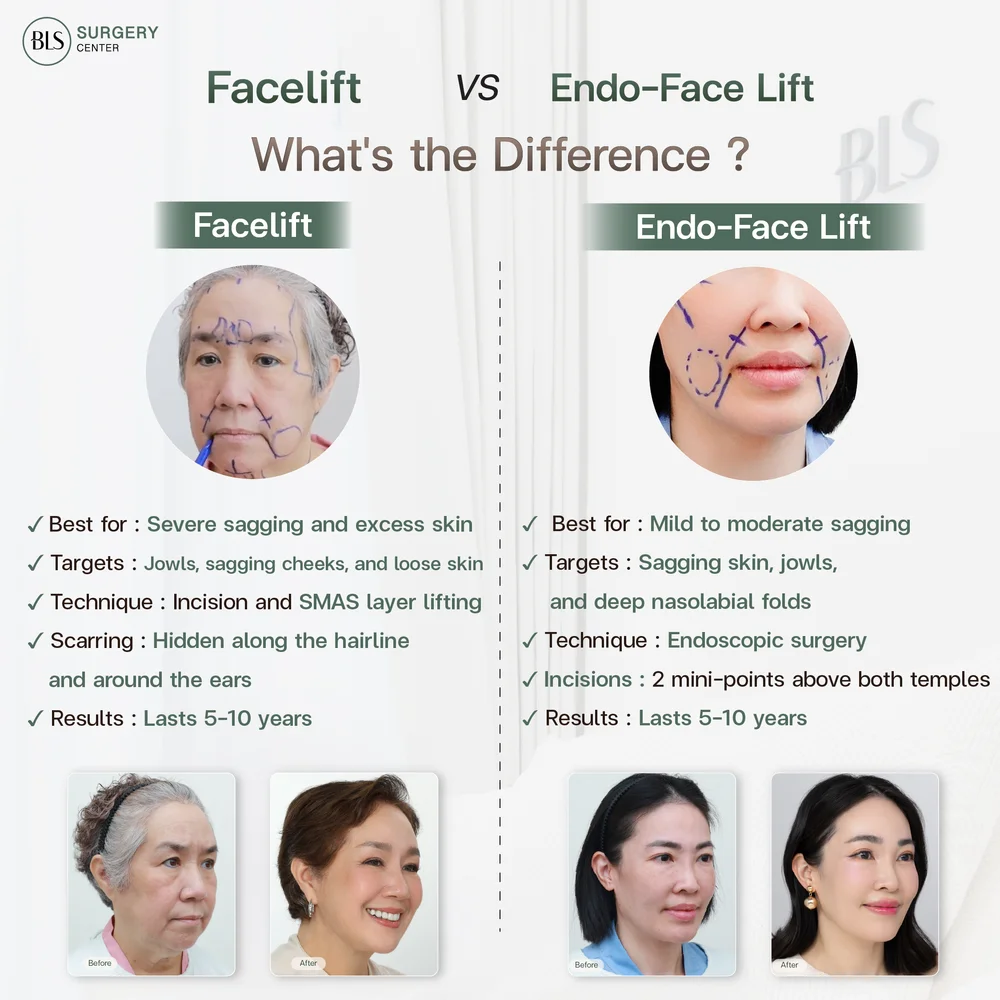
A: Endo-Face Lift is an endoscopic facelift technique that tightens the SMAS layer using Endotine, with only two small incisions above the temples. It lifts the cheeks, reduces nasolabial folds, and tightens the lower face—ideal for moderate sagging.
A traditional Facelift removes excess skin and tightens the deep SMAS layer using the Invisible Lock technique to conceal scars along the hairline and around the ears. Scars fade and blend with the skin tone, making them virtually invisible. This method is suitable for more severe skin laxity.
Q: Which areas of the face can be lifted with Endotine?
A: Endotine procedures at BLS Surgery Center are performed using two techniques: Endoscopic Brow Lift (Endo-Brow Lift) and Endoscopic Facelift (Endo-Face Lift).
- Upper face lifting is suitable for Endo-Brow Lift. It can lift the brows, outer corners of the eyes, and upper cheeks. It addresses issues such as drooping brows, sagging outer eye corners, upper cheek laxity, forehead wrinkles, and frown lines.
- Midface and lower face lifting is suitable for Endo-Face Lift. It can lift the face, cheeks, and upper neck, reduce nasolabial folds and double chin, and address facial sagging, jowls, buccal fat pads, loose neck skin, undefined jawline, deep smile lines, and marionette lines.
Q: Will Endo-Brow Lift make the forehead look wider or the eyelid crease appear larger?
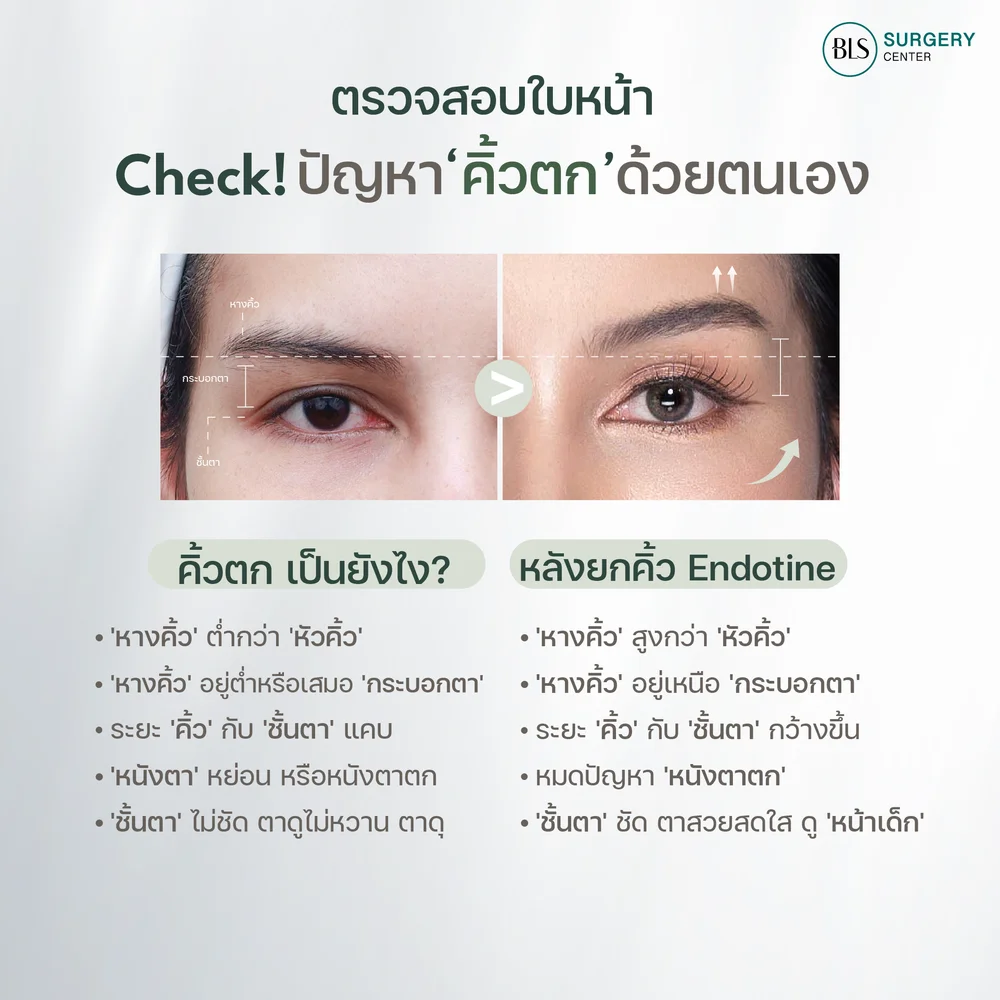
A: Endo-Brow Lift lifts the upper face by raising the brows and forehead, reducing forehead wrinkles and frown lines. It increases the distance between the brows and eyelid crease, making the upper eyelid area appear more open and defined. The eyes look brighter and less tired. However, it does not enlarge the forehead—it simply makes it appear smoother and firmer.
Q: Where are the incisions for Endo-Brow Lift?
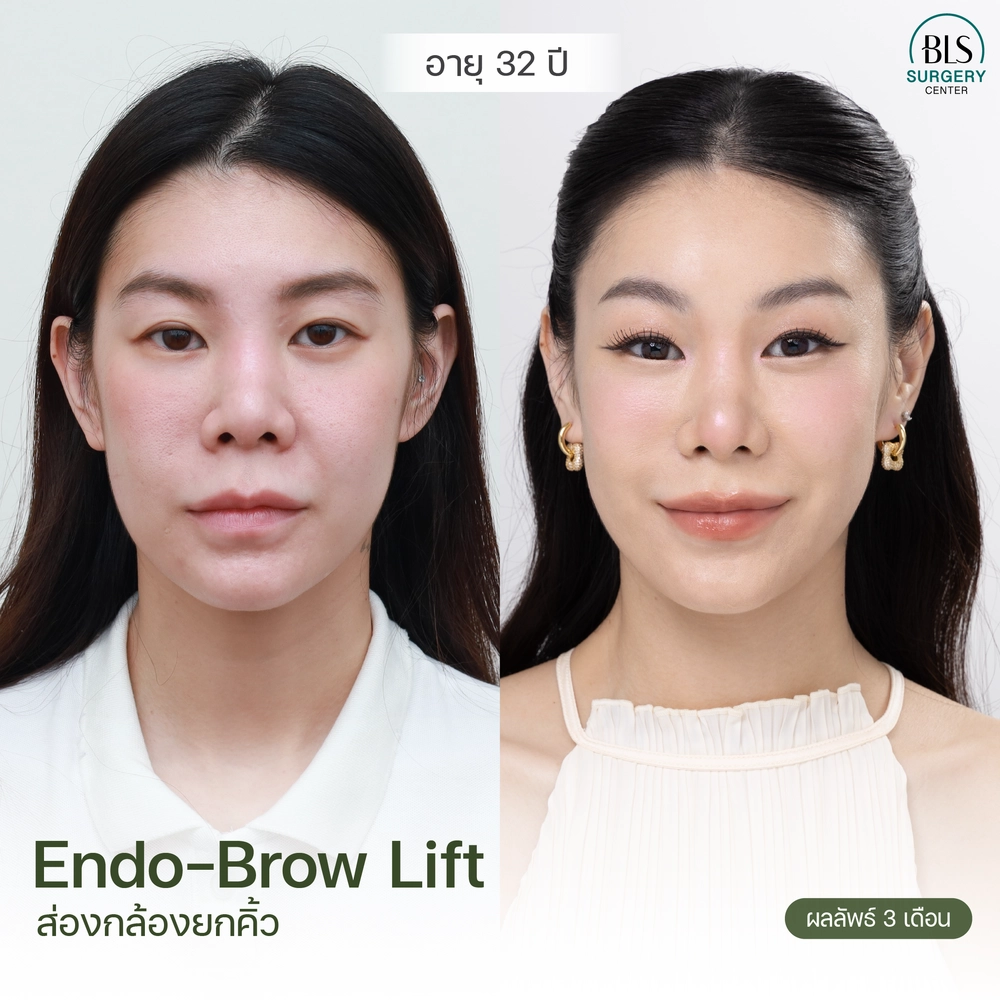
A: At BLS Surgery Center, Endo-Brow Lift leaves no visible facial scars due to the Invisible Lock technique. The only incisions are tiny (1–3 cm) and located on the sides of the head above the temples, completely hidden from view.

Q: How long is the recovery after Endo-Brow Lift?
A: Recovery is minimal—just 2–3 days for swelling to subside. By day 7, bruising is gone and scalp incisions begin to dry, allowing for suture removal. After about 1 month, the outer eye corners and brows settle into the designed position, giving a naturally lifted appearance.

Q: How long do Endotine results last?
A: Both Endo-Brow Lift and Endo-Face Lift offer semi-permanent results lasting 5–10 years, depending on the individual.
Q: How can drooping or asymmetrical brows be corrected? Does Endo-Brow Lift help?
A: Drooping or uneven brows can be corrected with brow lift procedures to achieve symmetry and proper positioning. In addition to Botox injections, two surgical techniques effectively address this:
- Traditional Direct Brow Lift involves an incision above the brow to remove excess skin and lift the outer brow.
- Modern Endo-Brow Lift uses an endoscopic approach with no visible scars. Endotine anchors lift the brows and outer eye corners while correcting asymmetry. This method is more popular due to its scarless outcome.
Q: Is it true that Endo-Brow Lift must be pulled very tight to prevent future sagging?
A: No. The surgeon designs a natural vector to lift the forehead and brows without excessive tension. Even after the Endotine dissolves, the lifting effect remains semi-permanent. The forehead appears smooth and firm without looking overly tight or unnatural.
Q: Can Endotine be done if the distance between the brow and eyelid crease is narrow?
A: Yes. Endo-Brow Lift increases the distance between the brow and eyelid crease, opening the upper eyelid area and making the eyes appear brighter.
Q: If I previously had double eyelid surgery with small creases, will Endo-Brow Lift make them look larger?
A: Yes. If you have drooping brows, outer eye corners, and small eyelid creases, Endo-Brow Lift can lift the brows and outer corners, expanding the upper eyelid area and enhancing eye definition and brightness.
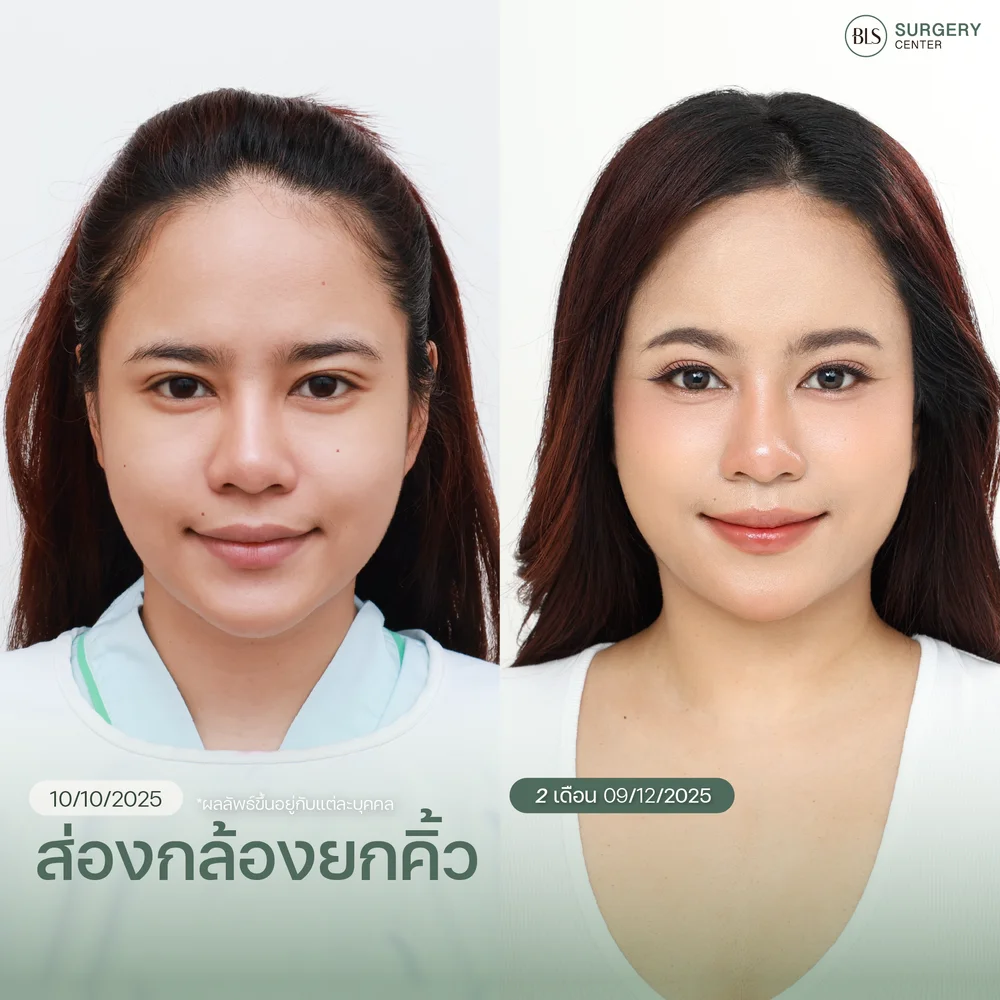
Q: If Botox doesn’t work, can Endotine help with forehead wrinkles?
A: Yes. Endo-Brow Lift effectively addresses forehead wrinkles and provides longer-lasting results than Botox. It’s ideal for patients with Botox resistance or those seeking more durable forehead tightening.
Q: Is it safe to perform Endotine in a clinic, not a hospital?
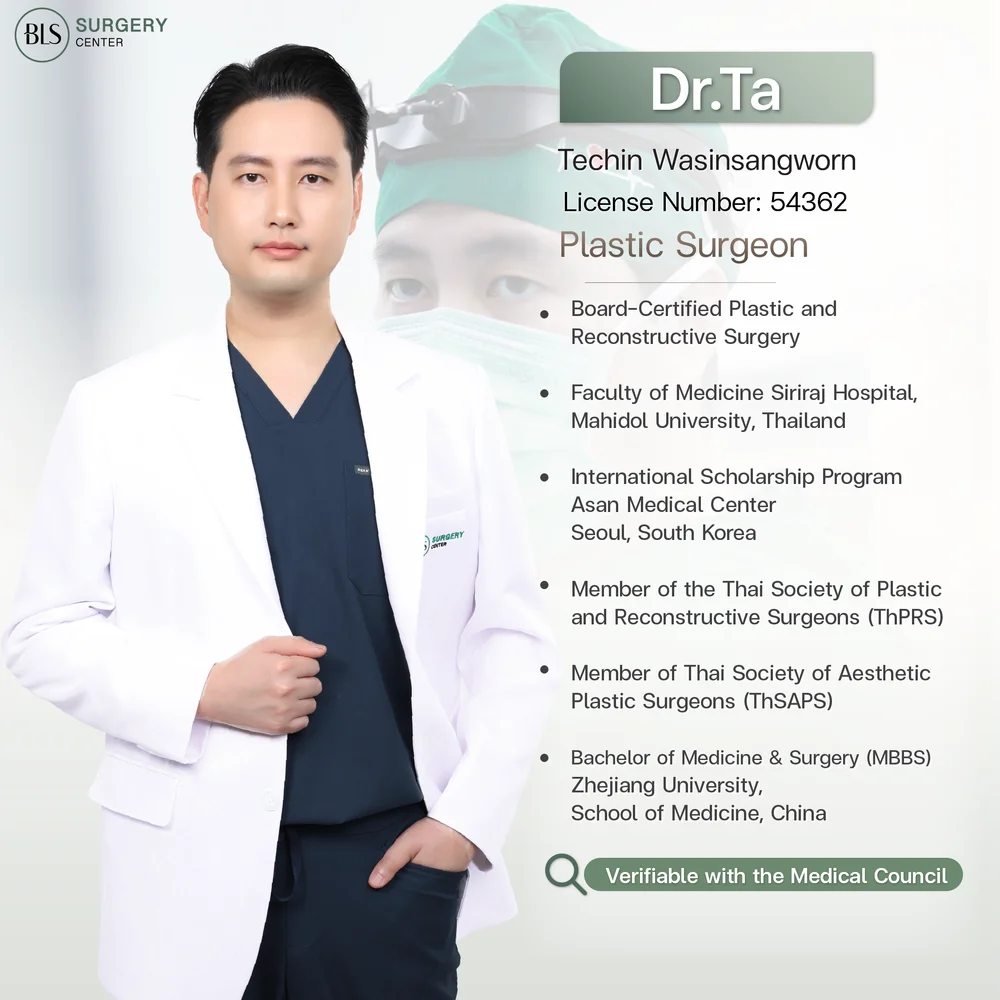
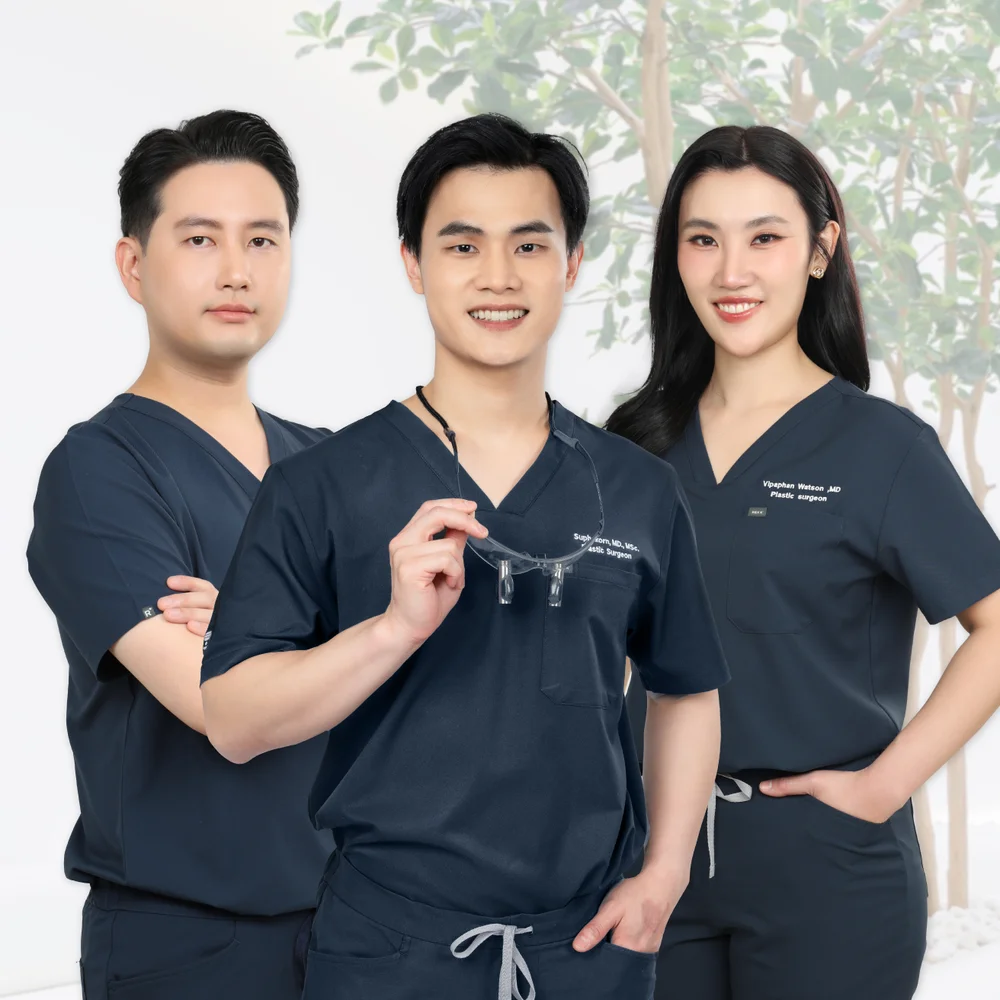
A: Yes. At BLS Surgery Center, Endotine procedures are safely performed by board-certified plastic surgeon Dr.Earth Endotine, who specializes in Facelift, Endo-Brow Lift, and Endo-Face Lift. With deep knowledge of facial anatomy, he tailors solutions to each patient.
Additionally, a certified anesthesiologist administers general anesthesia for maximum comfort and safety. The clinic uses FDA-approved Endotine materials that are biocompatible and naturally absorbable.
BLS Surgery Center is a licensed aesthetic surgery clinic under BLS Medical Center (License No. 10102002367, verified at https://hosp.hss.moph.go.th/). It has received the prestigious Asia Pacific Master Entrepreneur Award (APEA) and the ‘Best Endoscopic-Brow Lift and Facelift’ award from Daily News.
Q: What are the differences between Endotine Brow Lift, Endotine Midface, and Endotine Ribbon? Which is suitable for which concern?Endotine Brow Lift vs Endotine Midface vs Endotine Ribbon—What’s the difference?
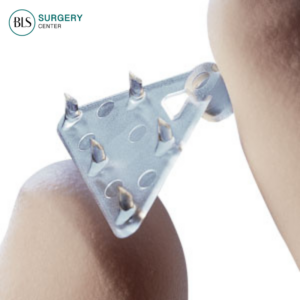
Endo-Brow Lift (Endotine Brow Lift): An endoscopic brow lift that addresses upper face and eye area sagging. It uses an endoscope to lift the forehead, reduce wrinkles, and elevate brows and outer eye corners. It involves three small incisions at the center of the scalp and two above the temples. A triangular Endotine Forehead implant (1 cm) with five barbs anchors the tissue for a smooth, firm result. Ideal for drooping brows, outer eye corners, forehead wrinkles, upper cheek laxity, and frown lines.
Endotine Midface: A round-headed Endotine implant with five barbs and a short tail (shorter than Endotine Ribbon). It penetrates the SMAS layer for deeper lifting and is undetectable under the skin. Used in Endo-Face Lift to lift cheeks, jawline, and neck via two small incisions above the temples. It reduces mid-to-lower face sagging, nasolabial folds, marionette lines, drooping mouth corners, and buccal fat pads—resulting in a more contoured face.
Endotine Ribbon: A long, fishbone-like implant with barbs along its length. It anchors soft tissue for firm tightening. Ideal for deep nasolabial folds, marionette lines, drooping mouth corners, double chin, and neck creases.
Q: What is the correct way to perform Endotine?
A: Endotine or Endo-Brow Lift is recommended for patients with drooping brows, narrow eyes, or sagging outer eye corners. Only one pair of Endotine implants should be used—more than that is excessive. General anesthesia is administered by an anesthesiologist. Incisions above the temples should be only 1–2 cm. The endoscope used must be high-resolution and precise to ensure surgical accuracy.
Q: How is Foxy Eyes different from Endotine?
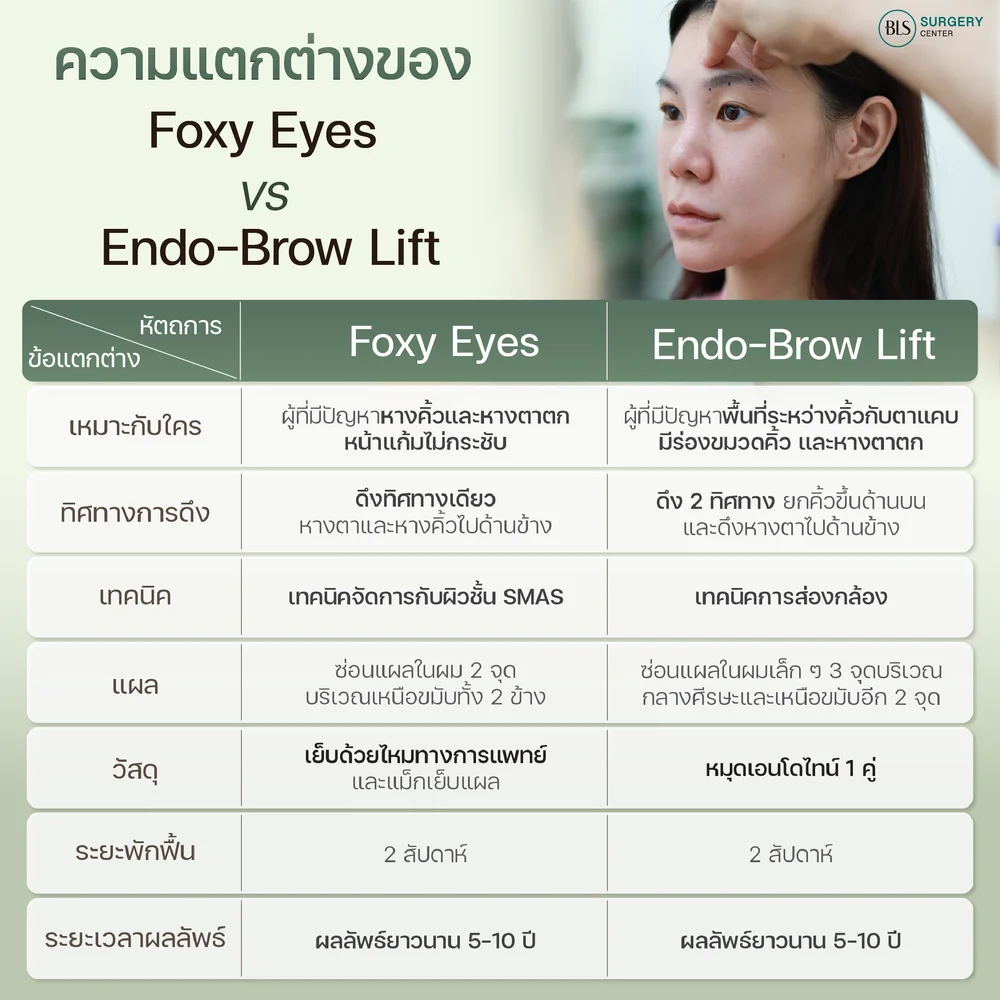
A: Some people mistakenly believe Foxy Eyes and Endotine (Endo-Brow Lift) are the same because both lift the upper face and outer eye corners. However, they are fundamentally different procedures.
Foxy Eyes Procedure for Outer Eye Corner Lift
Suitable for individuals with drooping outer brows, sagging outer eye corners, and loose upper cheeks. This procedure lifts the outer eye corners and brows laterally in a single direction. It targets the SMAS layer and involves two incision points hidden within the hair above both temples. The incisions are closed using medical sutures and staples. Post-procedure, the settling period is only 1–2 weeks, and results last 5–10 years.Endotine (Endo-Brow Lift) Procedure
Ideal for individuals with drooping brows, sagging outer eye corners, narrow brow-to-eye space, and frown lines. It provides dual-directional lifting: vertically lifting the brows and laterally pulling the outer eye corners. The endoscopic technique hides three small incisions in the hair—one at the center of the scalp and two above the temples. One pair of Endotine implants is used. Post-procedure, the settling period is only 1–2 weeks, and results last 5–10 years.
Q: Will I feel the Endotine implants when washing my hair or sleeping?
A: No, you will not feel the Endotine implants inside your body. The procedure targets the deep SMAS layer for effective lifting without creating tension on the outer skin. This results in firm, tightened skin without the sensation of implants. Initially, you may feel slight tightness in the facial skin, which is normal. The Endotine implants will gradually dissolve naturally, while the results remain for 5–10 years.
Q: Can individuals with Myasthenia Gravis (MG) undergo cosmetic surgery?
A: Myasthenia Gravis (MG) is an autoimmune disorder that causes drooping eyelids and tired-looking eyes, often accompanied by ptosis. Double eyelid surgery with long incisions can help correct ptosis and eyelid drooping. However, eyelid drooping caused by MG cannot be corrected with double eyelid surgery alone. Patients with MG who wish to undergo cosmetic surgery should first stabilize their condition to avoid postoperative complications.
Q: What medical conditions are contraindicated for cosmetic surgery?
There are no chronic conditions that absolutely prohibit cosmetic surgery (though it is recommended to consult with a physician for initial evaluation and guidance). However, one condition that strictly contraindicates surgery under general anesthesia is Malignant Hyperthermia (MH)—a rare genetic disorder that causes abnormal reactions to anesthesia and muscle relaxants. It can lead to severe muscle contractions, muscle cell breakdown, blood acidosis, and even death. MH is extremely rare, occurring in only 1 in 100,000 people. Therefore, individuals requiring general anesthesia should check their family history for MH to ensure surgical safety.
Q: At what age can one begin cosmetic surgery?
A: Age 18 and above is appropriate for starting cosmetic surgery, as the body has fully matured. Undergoing surgery at the right age reduces the risk of needing revisions or repeat procedures.
Q: Can Endotine brow lift be performed alongside forehead augmentation?
A: Yes. Individuals who have had forehead/temple augmentation or forehead fillers can still undergo Endotine brow lift to correct drooping brows, sagging outer eye corners, and upper cheek laxity.
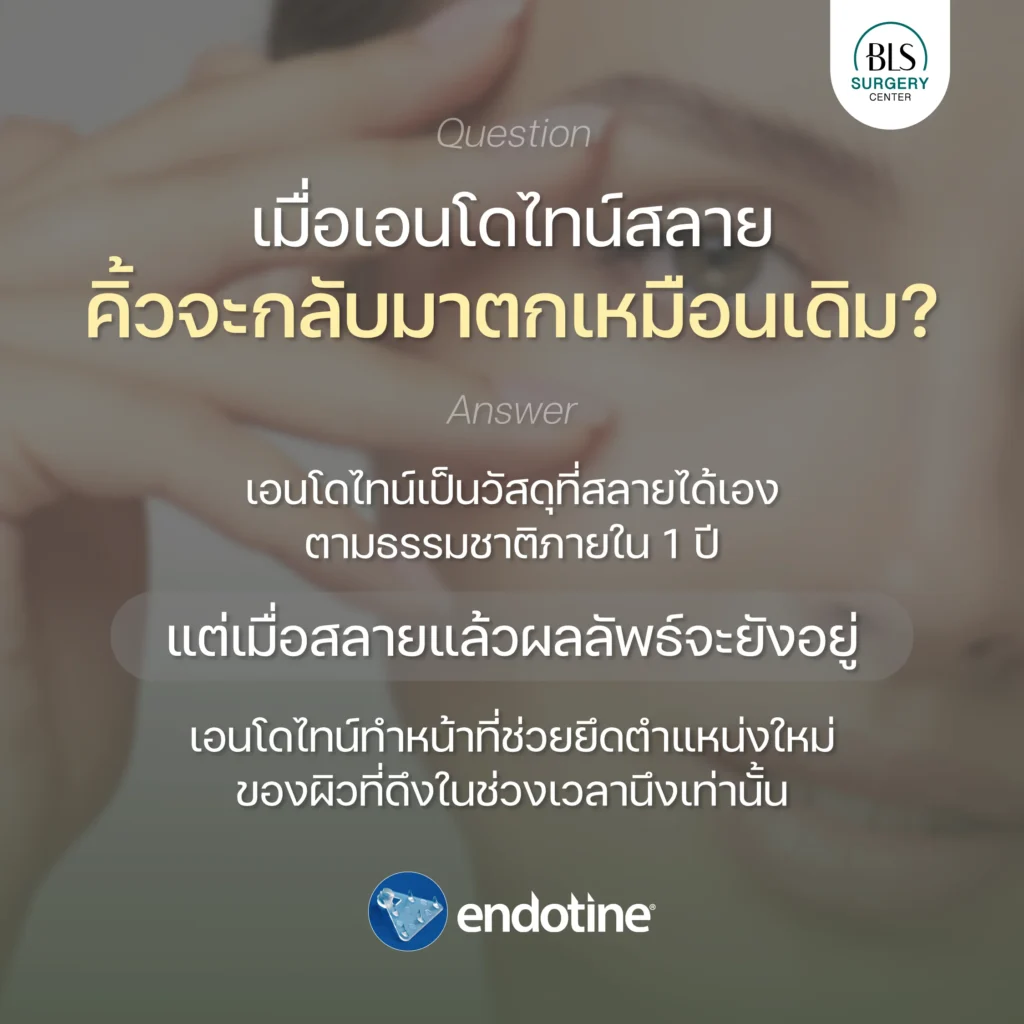
Q: Will the brows droop again after Endotine dissolves?
A: Endotine is a safe, medical-grade material that naturally dissolves within approximately one year. However, the lifting effect—tightened skin, elevated brows, and outer eye corners—remains in the designed position for 5–10 years. Therefore, brow drooping does not recur after Endotine dissolves.
Q: Why is it necessary to consult a doctor first? Can I proceed with surgery immediately after consultation?
A: Dr.Earth places great importance on working closely with patients to address their concerns precisely and align with their expectations. A thorough consultation is conducted to evaluate the issues and provide clear, honest recommendations. Typically, 1–2 consultation sessions are scheduled before the surgery date to assess and finalize the procedure. A final consultation is held on the surgery day to confirm all discussed details. If the patient has additional requests, they can inform the doctor at that time. Post-surgery, Dr.Earth schedules multiple follow-ups to monitor recovery until the patient feels fully reassured. Transparent communication is key—Dr.Earth uses empathy and avoids pressure to ensure patient happiness. Therefore, anyone interested in consulting with Dr.Earth is warmly welcomed.


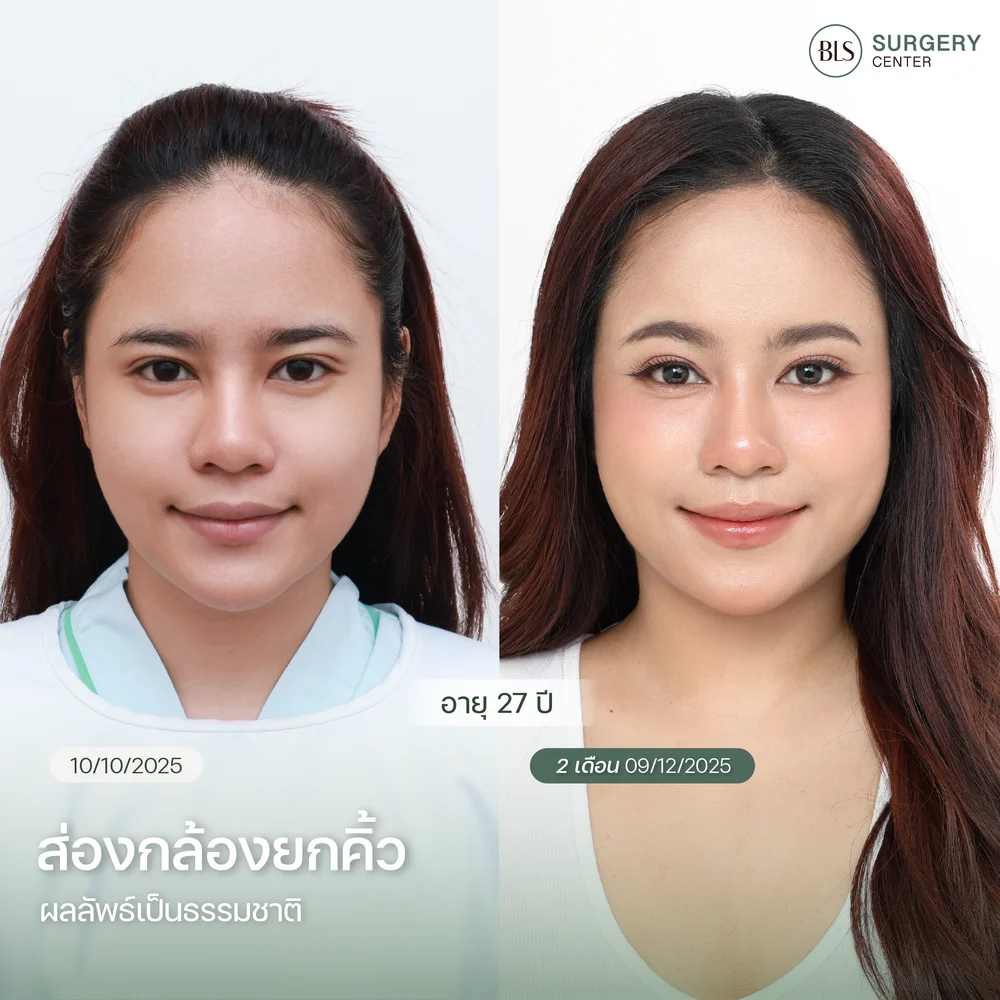
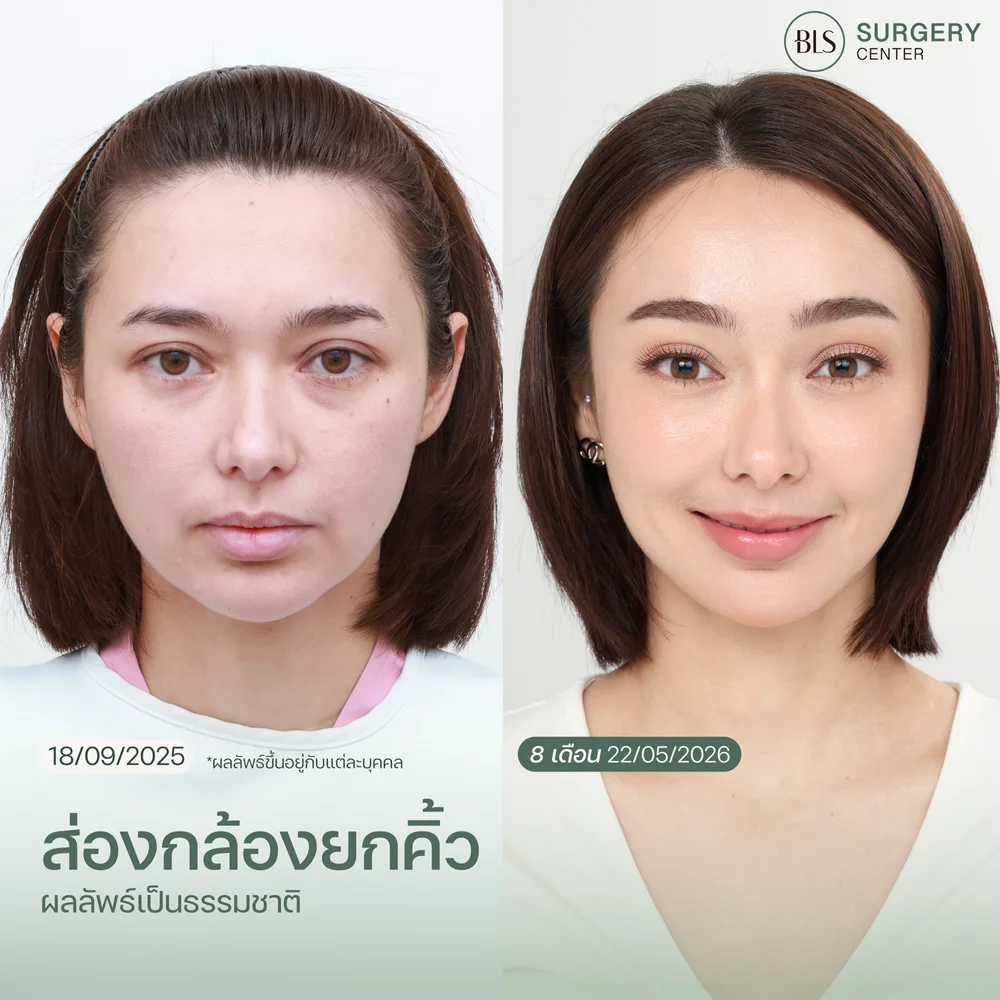
Q: Can I see a review of the beautiful Endotine (Endo-Brow Lift) at BLS Surgery Center?

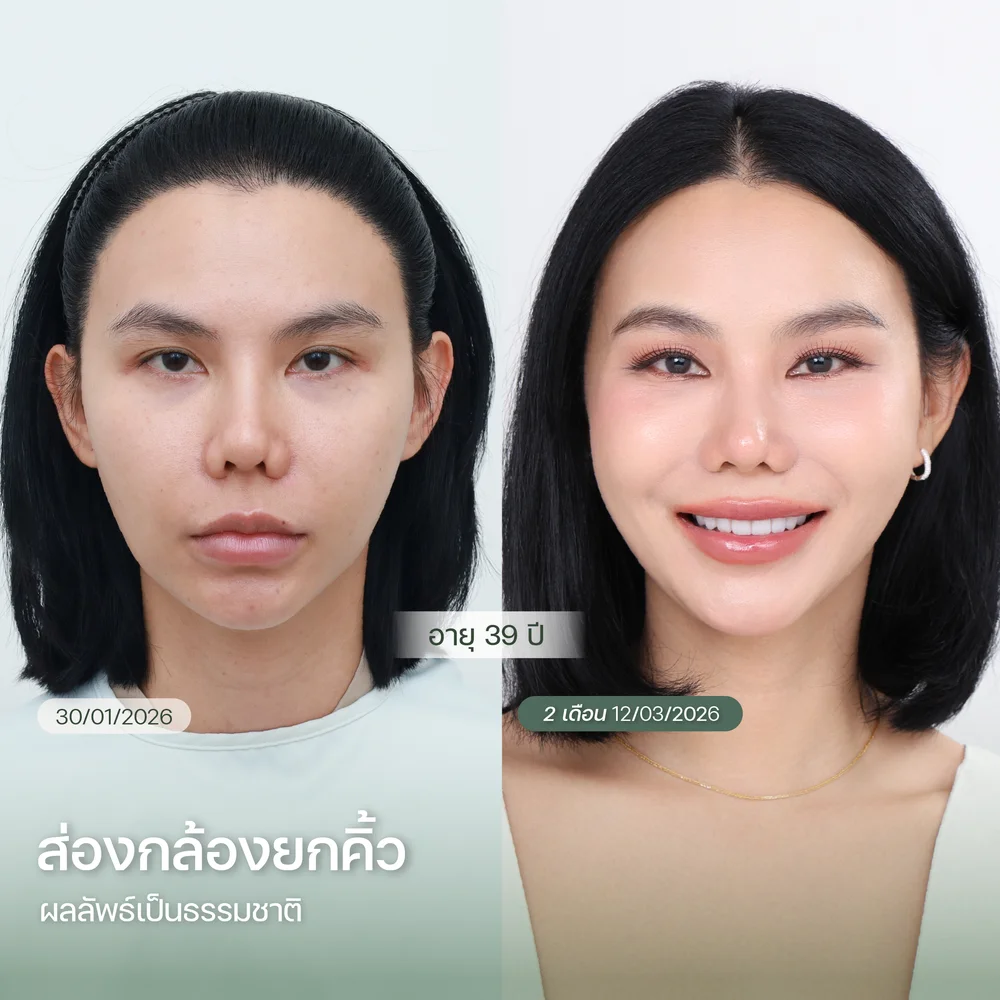
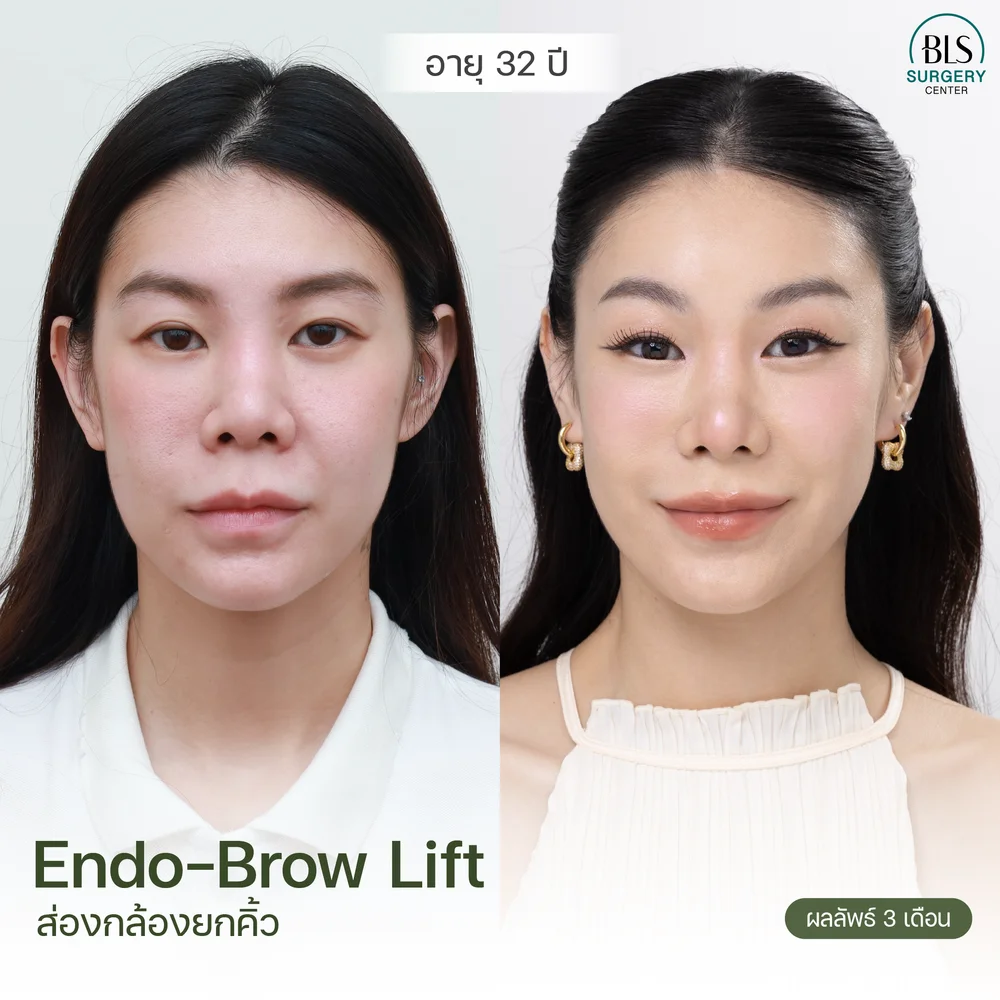
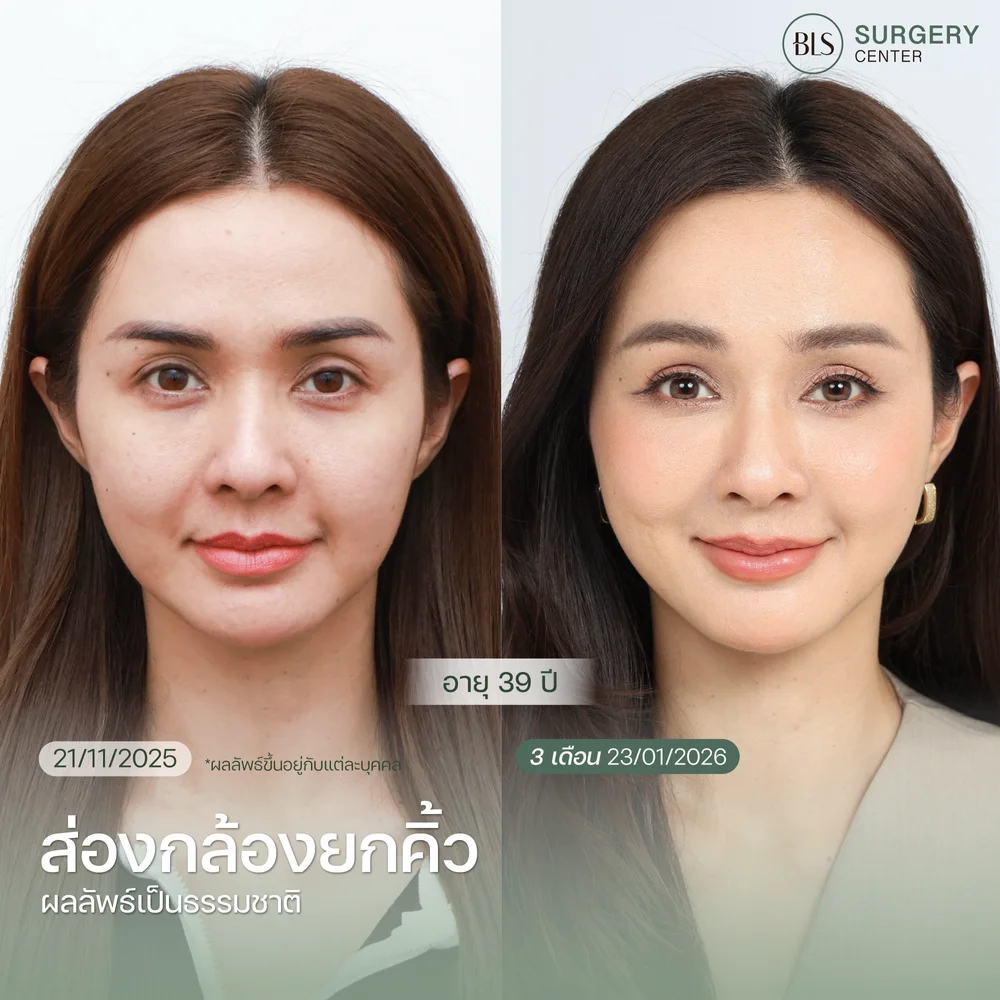
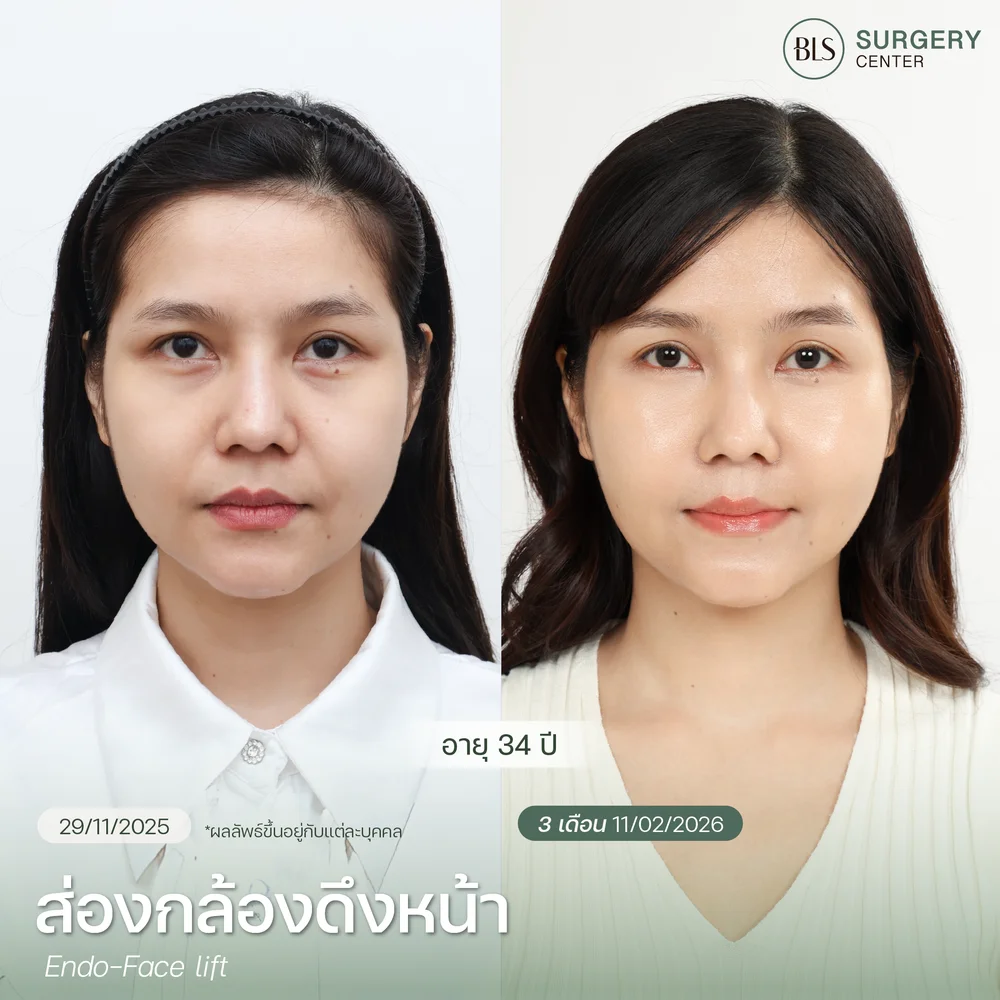
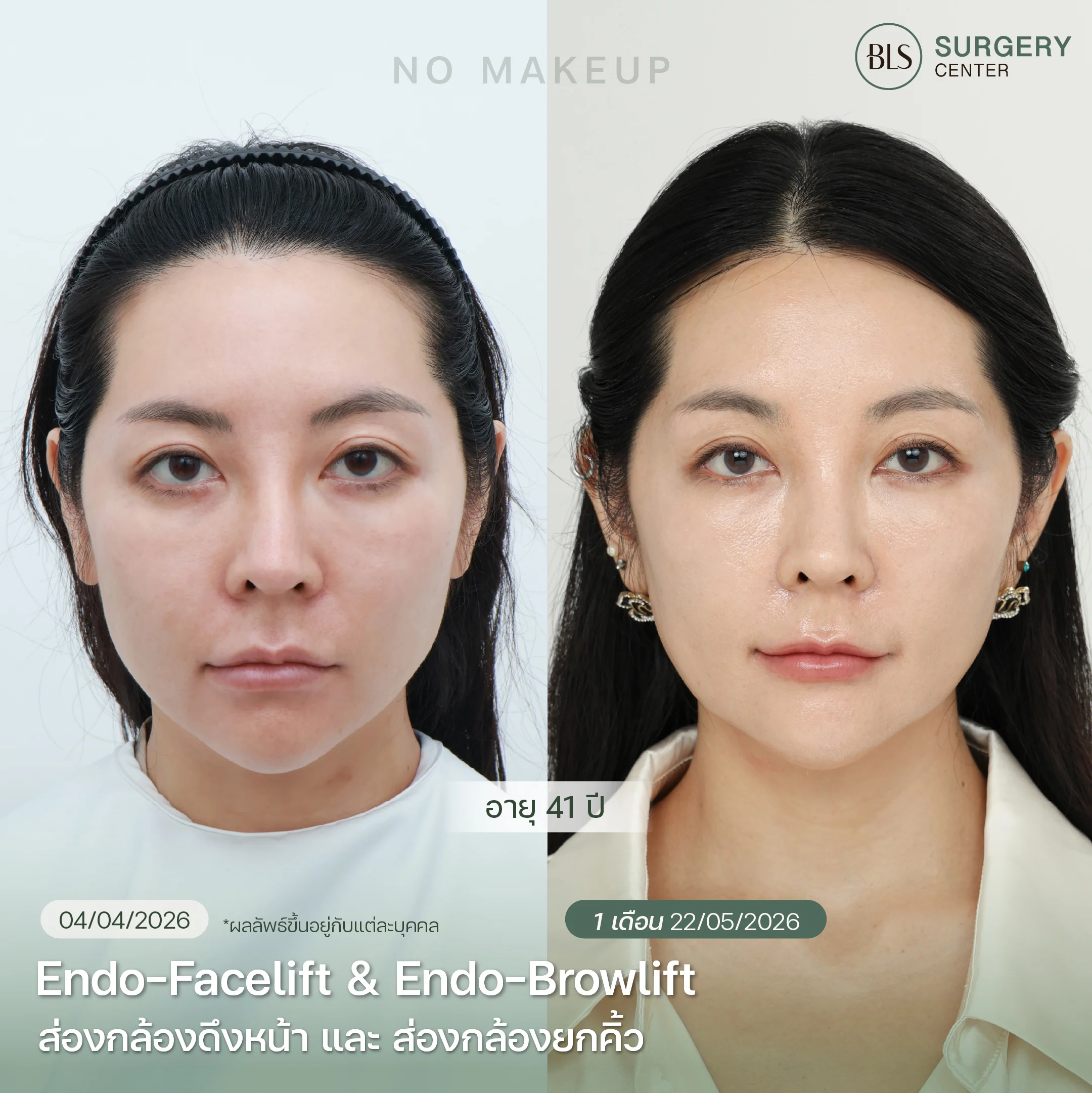
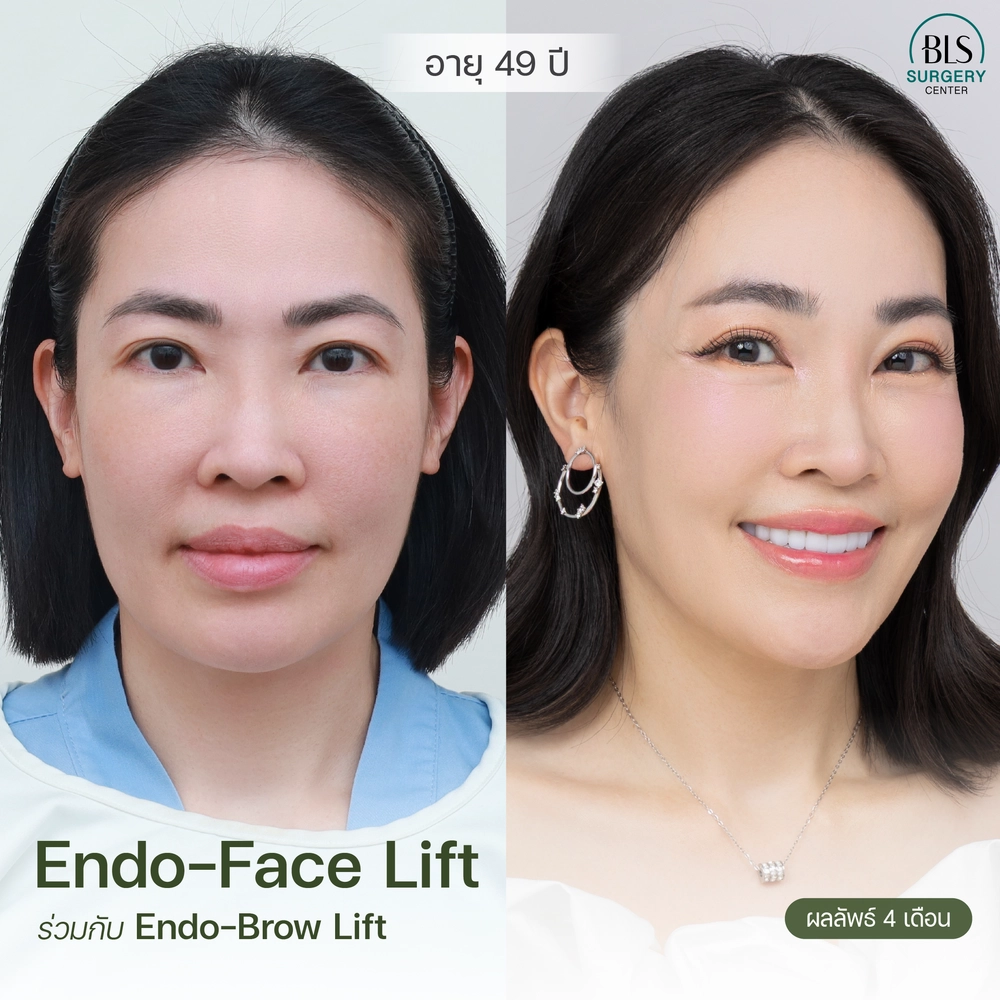
Q: Does an endoscopic brow lift cause hair loss?
A: Actually, endoscopic brow lift incisions are made within the hair follicles, leaving no visible scar on the face. This is a significant advantage, but it also has drawbacks. If the surgeon isn’t sufficiently skilled, the hair follicles may be damaged, potentially leading to long-term complications like hair loss. At BLS Surgery Center, our surgeons employ techniques to prevent post-operative hair loss during endoscopic brow lifts, including:
- Incision care and follow-up. BLS surgeons provide meticulous wound care and post-operative monitoring to prevent complications and infections that could damage the hair follicles. And it can cause hair loss as well.
- Appropriate incision placement to minimize hair loss. Choosing a difficult-to-access location increases the risk of damaging the hair follicle during surgery.
- Invisible and safe incision design. Proper incision placement ensures the scar is virtually invisible 1-2 months after surgery.
- Hair follicle preservation during surgery. BLS surgeons are meticulous, protecting the hair follicles from trauma during the procedure, preventing both temporary and permanent hair loss.
Q: Will I experience numbness in my forehead after an endoscopic brow lift?
A: After an endoscopic brow lift, many people worry about decreased sensation in the forehead or numbness in the forehead and scalp. Typically, endoscopic brow lift surgery adjusts the eyebrows to a more aesthetically pleasing and appropriate position. This requires adjusting the muscles around the eyebrows to raise them higher and more attractively. After surgery, patients often experience numbness in the forehead and scalp in the initial period. This is a normal post-operative symptom and usually resolves on its own within 1-2 months.
Q: I want a facelift but without removing excess skin. Is that possible?
A: For people who are starting to experience sagging skin and are looking for surgical options, one very popular procedure is endoscopic face lift. It has many advantages, including:
- Tightening of the deep skin layer (SMAS)
- Small incisions of only 2-3 cm in the temple area.
This method is suitable for people with deep skin sagging but not excessive excess skin on the face.
Q: What are the steps involved in an endoscopic face lift?
A: The endoscopic face lift procedure at BLS Surgery Center involves the following steps:
- Incision Layout:Endoscopic facelift involves making small incisions in the temple area, hidden within the hairline, making them invisible and leaving no visible scars on the face.
- Insertion of Endoscopic Camera and Instruments: The periosteum is opened, and the endoscope and instruments are inserted along the cheek and cheekbone area.
- Insertion of Special Device:A special device (Endotine) is inserted to lift the cheeks, nasolabial folds, and marionette lines into the correct position.
- Sutures:The incisions in the temple area are sutured, while the Endotine device continuously pulls the skin to prevent sagging. The body gradually heals the wounds internally, and the Endotine device gradually dissolves and breaks down completely, leaving no residue in the body. The face gradually settles and becomes more defined over the next 2-4 weeks post-operatively.
Q: Is an endoscopic face lift (Endo-Face Lift) or a regular face lift more suitable? How is it assessed?
Although both procedures correct deep-seated sagging, one key difference is the removal of excess skin from the outer layer.
For older patients with significant external skin excess, a facelift is recommended.
For patients with deep skin sagging but minimal excess skin, endoscopic facelift is recommended. The advantages include small incisions, all hidden within the hairline, shorter recovery time, and faster healing. However, if you are unsure which procedure is right for you, Dr. Earth recommends consulting directly with a doctor at BLS Surgery Center.


